
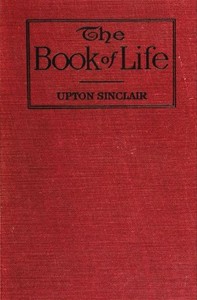
The Book of Life by Upton Sinclair
Upton Sinclair is famous for his novel The Jungle, which exposed the horrors of the meatpacking industry. The Book of Life is something else entirely. Published in two volumes, it's Sinclair's ambitious attempt to create a complete guide to human existence. He mixes philosophy, psychology, health advice, and his own strong opinions on everything from marriage and diet to the meaning of art.
The Story
There's no plot in the traditional sense. Instead, Sinclair structures it like a manual for living. He starts with the mind and body, discussing how to think clearly and stay healthy. Then he moves outward to relationships, work, and society. He argues for his socialist ideals, critiques religion, and champions creative expression. The whole book is a journey through Sinclair's own beliefs, framed as a path to a more fulfilled and ethical life.
Why You Should Read It
You read this less for practical advice (some of it is very dated!) and more to get inside the head of a major cultural figure. It's incredibly revealing. You see his brilliance, his stubbornness, and his boundless hope for human improvement. It's a raw, unedited look at what one passionate person a hundred years ago thought mattered most. The contradictions are part of the charm—the socialist firebrand also giving tips on conversation and courtship.
Final Verdict
This is a niche pick, but a rewarding one. It's perfect for readers curious about intellectual history, fans of Sinclair who want to see another side of him, or anyone who enjoys browsing old self-help books to see how ideas about happiness have changed. Don't go in looking for a polished argument. Go in for a fascinating, chaotic, and deeply personal conversation with a compelling mind from the past.
This book is widely considered to be in the public domain. Access is open to everyone around the world.
Donald Jones
3 months agoThis work demonstrates a clear mastery of contemporary theories.
Jennifer Lee
11 months agoInitially, I was looking for a specific answer, but the author manages to bridge the gap between theory and practice effectively. Truly a masterpiece of digital educational material.
Jennifer Brown
3 months agoThe research depth is palpable from the very first chapter.
Kimberly Thompson
11 months agoThis is an essential addition to any academic digital library.



Christopher Martinez
1 year agoThe analytical framework presented is both innovative and robust.